


 |
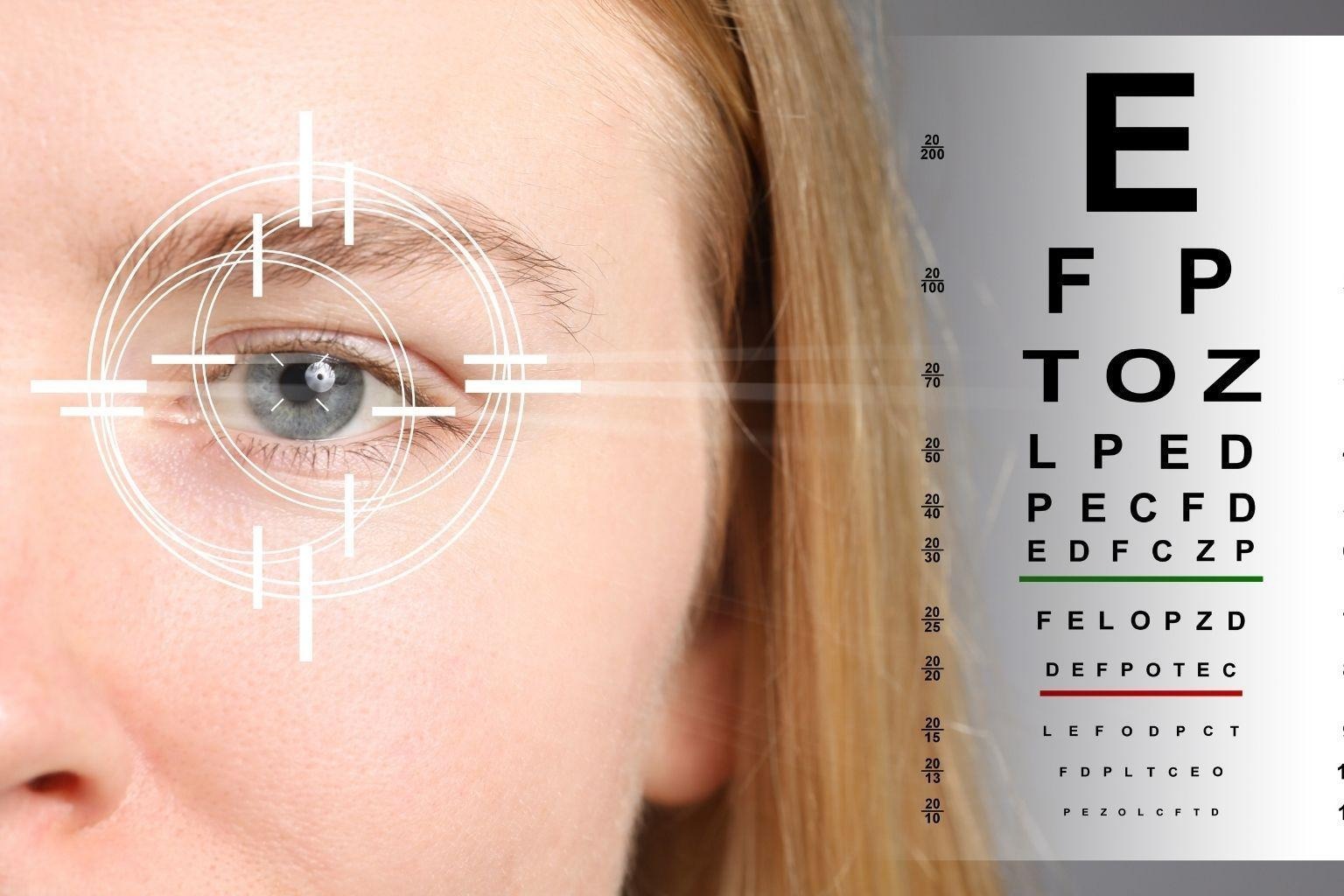
LOS ANGELES—A cardiovascular risk score, already routinely used in primary care, may predict who will develop serious eye diseases, according to a UCLA Health study published earlier this month. UCLA Health said researchers involved in the study found that people with higher cardiovascular risk scores were “significantly more likely to develop conditions including age-related macular degeneration, diabetic retinopathy, glaucoma, retinal vein occlusion and hypertensive retinopathy.” The study is published in the American Academy of Ophthalmology’s journal Ophthalmology.
For the study, researchers analyzed electronic health records from 35,909 adults aged 40 to 79 years old who participated in the All of Us Research Program between 2009 and 2015, UCLA Health said. Using this data, the researchers calculated each person’s Pooled Cohort Equations (PCE) cardiovascular risk score using information including cholesterol levels, blood pressure, smoking status and diabetes.
From there, participants were categorized into four risk groups: low (less than 5 percent), borderline (5-7.4 percent), intermediate (7.5-19.9 percent) and high (20 percent or greater). Over the following years, the research team tracked who developed eye diseases, adjusting for factors not included in the cardiovascular score including race (with extended subgroups not in PCE), body mass index, kidney disease and education level.
The researchers found that higher cardiovascular risk was “strongly associated” with an increased likelihood of developing eye diseases. According to UCLA Health, “adults in the high-risk group were 6.2 times more likely to develop age-related macular degeneration, 5.9 times more likely to develop diabetic retinopathy, 4.5 times more likely to develop hypertensive retinopathy, 3.4 times more likely to develop retinal vein occlusion, and 2.3 times more likely to develop glaucoma compared to those in the low-risk group.”
In particular, the cardiovascular score performed well at predicting diabetic retinopathy, hypertensive retinopathy and age-related macular degeneration, UCLA Health reported. These associations remained consistent across different follow-up periods ranging from five to seven years.
“We found that a simple score already calculated in millions of doctor visits each year may meaningfully predict who will develop serious eye diseases,” said Dr. Anne L. Coleman, senior author of the study and chair of the department of ophthalmology at UCLA Health. “This gives us an opportunity to identify high-risk patients early, when preventive measures might still protect their vision. The beauty of this approach is that it requires no additional testing; the information is already there in the medical record.”
UCLA Health said these findings suggest that primary care physicians could use cardiovascular risk scores to identify patients who would benefit from being referred to eyecare specialists for a more comprehensive eye health screening. “Further research is needed to determine the optimal timing and frequency of eye exams for different risk groups, and whether earlier detection and interventions based on cardiovascular risk can actually help prevent vision loss,” UCLA Health noted.
“Millions of Americans lose vision to eye diseases that often go undetected until significant damage has occurred,” UCLA Health said in its report. “Early identification of at-risk individuals could enable timely screening and preventive interventions before irreversible vision loss occurs. This study demonstrates that information already collected during routine doctor visits could help identify patients who would benefit from earlier eye exams, potentially preventing blindness in high-risk individuals. The findings offer a practical way to improve eye disease prevention without requiring additional testing or specialized equipment in primary care settings.”
The research team included: Deyu Sun, Ph.D., David Geffen School of Medicine, UCLA; Victoria L. Tseng, MD, Ph.D., David Geffen School of Medicine and Stein and Doheny Eye Institutes, UCLA; Fei Yu, Ph.D., David Geffen School of Medicine, Stein and Doheny Eye Institutes, and Fielding School of Public Health, UCLA; Anne L. Coleman, MD, Ph.D., David Geffen School of Medicine, Stein and Doheny Eye Institutes, and Fielding School of Public Health, UCLA.
The research was supported by an unrestricted grant from Research to Prevent Blindness to the UCLA Department of Ophthalmology. The sponsor or funding organization had no role in the design or conduct of this research and the authors reported no conflicting relationships, according to the study.
link
More Stories
April is Women’s Eye Health and Safety Month at Prevent Blindness, Aimed at Providing Women with Resources Needed to Help Save Vision
Virtual reality exam checks eye health and screens for early signs of Alzheimer’s
Daily Dose – Clearer Vision, Safer Lives: A Student-Led Effort Expands Access to Eye Care