


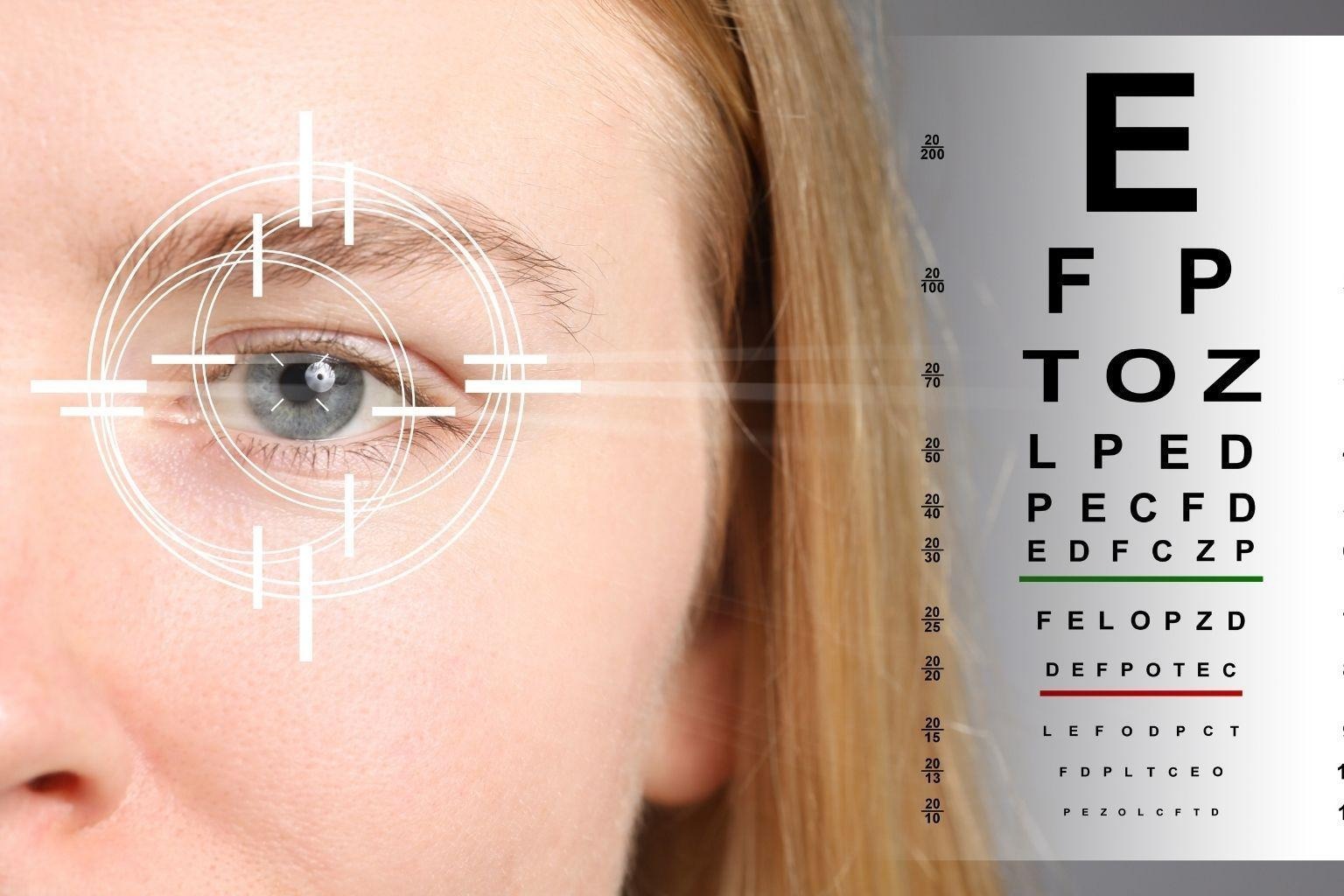


The bright summer sunshine can do wonders for your mental health, but the increase in allergens and harmful UV rays is not as kind to your eyes. Annoyances like watery eyes, dry eyes or blurry vision are common in this season, but it’s possible to make your eyes more resilient to these issues.
Having a balanced diet that incorporates dark green leafy vegetables and essential fatty acids is important for more than just your nutrition and gut health. Everything you eat can impact specific organs, like your eyes. Fortunately, that means you can incorporate specific vitamins, supplements and foods into your diet to support your eye health and vision.
However, make sure you talk to your doctor before making any changes, even if it’s just including more eye-boosting vitamins and supplements in your diet. They can help you figure out what a balanced diet looks like for you, especially if you want to focus on a specific aspect of your health.
Best Multivitamins for 2025

Screenshot by Taylor Leamey/CNET
See at CNET
The best vitamins and supplements for eye health

Getty Images
In addition to a balanced diet, here are the best vitamins and supplements for your eyes. Luckily, you can get most of these added supplements for less than $10.
Vitamin A

vaaseenaa/Getty Images
Vitamin A supports your vision, immune system, heart, lungs and overall growth and development. Specifically, vitamin A helps you see a full spectrum of light, as the vitamin produces pigments in the retina. It can also keep your eyes from drying out. You can find vitamin A in foods such as salmon, broccoli, eggs, carrots and fortified breakfast cereals.
You have probably heard of the magic of carrots. Yes, it’s true: Carrots are great for your eyes. Carrots (and other vividly colored fruits and vegetables) are high in beta-carotene, which is a compound that your body uses to make vitamin A. is also available in a supplement form, although it isn’t as common as vitamin A and is often more expensive.
NOW Supplements Vitamin A

Amazon
See at Amazon
Vitamin C

Vitamin C is found in foods like citrus fruit, bell peppers and tomatoes.
Vitamin C is like sunscreen for your eyes: It helps protect them from UV damage. The more time you spend outside and under the sun, the greater the risk for damage. According to the American Academy of Ophthalmology, too long in the sun can cause irreversible damage. Vitamin C can also lower your risk of cataracts, a disease that causes the lens of your eyes to become cloudy.
While a recent study found that vitamin C supplementation was effective in patients who were already vitamin C deficient, more studies are needed to truly understand the relationship between vitamin C and a lower risk of cataracts. In addition to getting enough vitamin C, avoid tanning beds, and if you are outside, wear sunglasses and a hat to protect your eyes.
Nature Made Chewable Vitamin C

Amazon
See at Amazon
Omega-3s

Fcafotodigital/Getty Images
Optometrists regularly recommend their patients consume omega-3s, and if a patient isn’t getting enough of these fatty acids in their diet, try a supplement. Omega-3s are mainly found in fatty fish such as tuna, salmon, mackerel or herring and some nuts and seeds.
The American Optometric Association points to omega-3s as a nutrient that can slow the progress of age-related macular degeneration. Studies have also found that they can help prevent dry eye disease. These nutrients are great for both conditions due to their anti-inflammatory effects.
Nature Made Fish Oil

Amazon
See at Amazon
Vitamin E

yulka3ice/iStock/Getty Images
Another powerful antioxidant, vitamin E is vital to all our cells and cell functions. It helps to protect our bodies from cancer-causing free radicals and plays an important role in vision. Studies have shown that vitamin E can help protect the retinas from free radicals that can cause eye disease.
Vitamin C, another antioxidant, has more properties that help regeneration. Vitamin E can only help to protect the cells already there. But vitamin E can slow the progression of age-related macular degeneration. The American Optometric Association recommends 400 IU of vitamin E a day.
Nature Made Vitamin E

Amazon
See at Amazon
Zinc
Zinc is found in almost all multivitamins because it is such an essential nutrient to the body. It is used to boost the immune system and help the body heal from wounds quickly. Zinc also aids in eye health.
Zinc helps vitamin A create melanin (a pigment that protects the eyes) and may shield the eyes from age-related macular degeneration. The American Optometric Association recommends 40 to 80 mg a day to slow the progression.
NOW Foods Supplements Zinc Glycinate

Amazon
See at Amazon
Read more: Best Zinc Supplements
Lutein and zeaxanthin
Lutein and zeaxanthin are known to be important to our eyes. Lutein and zeaxanthin are carotenoids found in red and yellowish fruits and vegetables, as these compounds give the produce their vibrant colors. Carotenoids, also powerful antioxidants, are vital to eye health. They protect the eyes from free radicals that can cause damage. Lutein and zeaxanthin, specifically, have been found to prevent damage to retinas.
These carotenoids can also slow the progression of age-related macular degeneration. The American Optometric Association recommends a daily amount of 10 mg of lutein and 2 mg of zeaxanthin. While you can find lutein and zeaxanthin in supplement form, one bottle is on the pricier side. You may find it better, easier and more affordable to just eat more fruits and vegetables.
Pure Encapsulations Lutein and Zeaxanthin

Amazon
See at Amazon
What to consider

CNET Health Tips badge art
Most vitamins and supplements are generally considered safe for people to take, as they’re nutrients your body naturally requires. You should always talk to your doctor before starting any supplements. Some vitamins and supplements can interact with various medications. Check with your doctor or pharmacist before taking any new vitamins or supplements in conjunction with certain medications. Especially if you are pregnant or breastfeeding, consult a medical provider first. Your doctor should be able to safely guide you to the best vitamins and supplements for eye health, as well as proper dosages.
Eye health tips
In addition to the best vitamins and supplements for eye health, there are other ways you can protect your eyes and preserve your vision health:
-
Wear sunglasses: Sunglasses block harmful UV light, decreasing your risk of cataracts, eye cancer and sunburn.
-
Screen breaks: The American Optometric Association recommends the 20-20-20 rule, which states that every 20 minutes, you look away from your screen at something 20 feet away for 20 seconds.
-
Physical activity: The American Academy of Ophthalmology reported on a study that found a correlation between exercise and eye damage prevention, though more studies are needed.
-
Avoid smoking: Smoking cigarettes can lead to eye diseases that result in vision loss and blindness, according to the Food and Drug Administration.
-
Get regular eye exams: Even if you have perfect vision, it is important to regularly get an eye exam to catch potential issues early. How often you should get an eye exam depends on your age. For instance, people ages 20 to 39 should get an eye exam every five years, while those ages 65 and up should get an eye exam every one to two years.
link
More Stories
April is Women’s Eye Health and Safety Month at Prevent Blindness, Aimed at Providing Women with Resources Needed to Help Save Vision
Virtual reality exam checks eye health and screens for early signs of Alzheimer’s
Daily Dose – Clearer Vision, Safer Lives: A Student-Led Effort Expands Access to Eye Care