


March is Save Your Vision Month, a time to highlight the importance of regular eye care and vision protection. Your eyesight is essential to your daily life, influencing activities like reading, driving and even your work performance and overall well-being. Unfortunately, many people neglect their vision care until issues occur.
The World Health Organization reports that more than 80% of vision impairments globally are preventable or treatable with appropriate care. However, many individuals overlook regular eye exams, resulting in avoidable vision loss.
This month is a crucial reminder to prioritize eye health and take proactive measures to ensure clear vision for the future.
The importance of regular eye exams
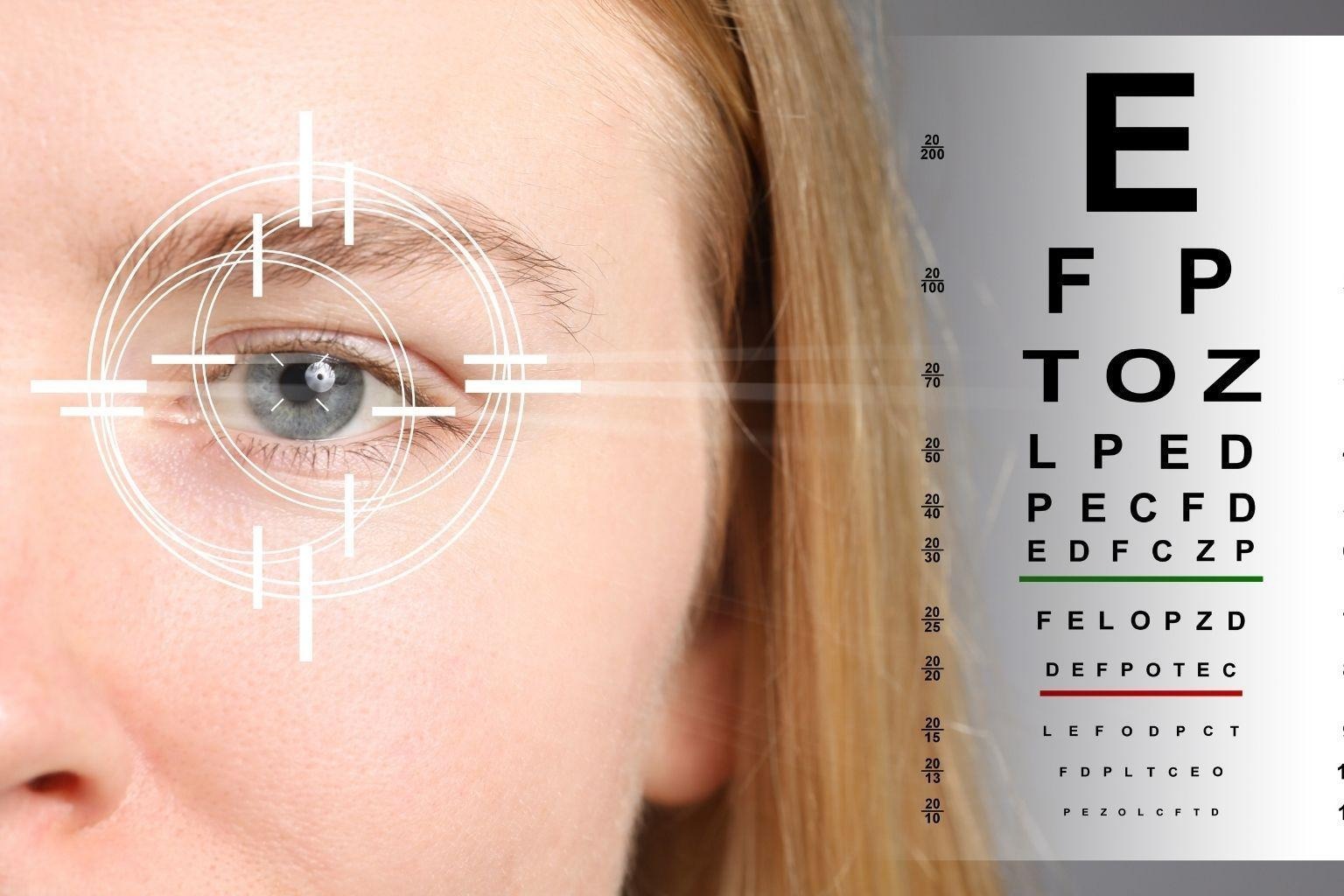
Regular eye exams are essential for maintaining eye health and identifying potential issues early on. Many eye diseases, including glaucoma, cataracts and age-related macular degeneration, progress slowly and often show no symptoms until they are advanced.
By booking routine comprehensive eye exams, individuals can detect these conditions early, increasing the likelihood of successful treatment and protecting their vision.
For individuals with diabetes, high blood pressure or a family history of eye diseases, regular eye exams are crucial. Diabetic retinopathy, a major cause of blindness, can lead to vision loss. However, with early detection and effective management, this loss can be prevented.
Digital eye strain: a growing concern
In our digital world, screen time has surged, resulting in a notable increase in digital eye strain, often referred to as computer vision syndrome. Research indicates that almost 70% of adults suffer from symptoms related to prolonged screen use.
Common symptoms include:
• Eye fatigue
• Dry eyes
• Headaches
• Blurry vision
• Neck and shoulder pain
To reduce digital eye strain, try the 20-20-20 rule: every 20 minutes, take a moment to look at something 20 feet away for at least 20 seconds. You can also find relief by using artificial tears, adjusting your screen brightness and maintaining good posture.
If your symptoms continue, consider scheduling an eye exam to see if you need prescription glasses or other treatments.
Protecting your vision daily
In addition to regular eye exams, there are several effective ways to protect and maintain your vision:
• Wear sunglasses: UV rays can harm your eyes over time, raising the risk of cataracts and macular degeneration. Opt for sunglasses that offer 100% UV protection to safeguard your eyes from these harmful rays.
• Eat a healthy diet: Incorporate foods high in omega-3 fatty acids, lutein, zinc and vitamins C and E into your meals. Leafy greens, fish, nuts and citrus fruits are all excellent options for promoting eye health.
• Stay hydrated: Drinking enough water helps prevent dry eyes and supports overall eye health.
• Practice good hygiene: Keep your hands clean and avoid touching your eyes. Follow the recommended schedule for replacing contact lenses to reduce the risk of infections.
• Take breaks from screens: Minimize eye strain by adjusting your screen settings, using blue light filters and taking regular breaks.
• Quit smoking: Smoking increases the likelihood of cataracts and other serious eye issues. Stopping smoking can greatly enhance your long-term eye health.
Schedule your eye exam today
Save Your Vision Month is an ideal opportunity to prioritize your eye health by scheduling an eye exam. Whether you need a routine check-up, a prescription update or specialized care, the skilled team at SightMD Pennsylvania is ready to assist you.
Don’t wait for vision issues to develop — early detection is crucial for maintaining healthy eyes.
SightMD has an office at 1300 Broadcasting Road, Spring Township. Call 610-396-9999 or visit sightmd.com to book your appointment.
Your vision is important, and at SightMD Pennsylvania, we are dedicated to helping you safeguard it for years to come.
link
More Stories
April is Women’s Eye Health and Safety Month at Prevent Blindness, Aimed at Providing Women with Resources Needed to Help Save Vision
Virtual reality exam checks eye health and screens for early signs of Alzheimer’s
Daily Dose – Clearer Vision, Safer Lives: A Student-Led Effort Expands Access to Eye Care