



 |
|
Patient non-adherence—which includes not following treatment plans, missing appointments, or failing to take medications as prescribed—is a complex issue which spans the health care spectrum, compromises patient safety and places a financial burden on health care systems. Non-adherence can be broadly separated into two categories: intentional (a conscious decision by the patient) or unintentional (caused by barriers or forgetfulness). Factors contributing to this issue include the high cost of medications, unpleasant side effects, limited health literacy, and a lack of patient trust in health care providers.
A 2025 article published in BMC Proceedings, titled “The Silent Epidemic of Non-Adherence—Insights From The 2024 a:Care Congress,” described medication adherence as a global challenge with profound implications for patient outcomes, health care systems, and society at large. The article noted, “change will not occur spontaneously. We must continue to raise awareness about medication non-adherence while sustaining the beginnings of a coordinated change effort from all stakeholders, including patients, health care providers, policymakers, medical societies and manufacturers.” The article also concluded that “the relationship between patients and the health care system lies at the core of addressing adherence. This relationship must be grounded in trust, open communication, transparency, and genuine connection.”
Similarly, a 2022 article in the Journal of Patient Experience, titled “Patient Adherence to Health Care Provider Recommendations and Medication among Free Clinic Patients,” explored patient adherence to health care provider recommendations and found “patient non-adherence is a widespread issue among the general population and is an even more significant concern among underserved populations.”
 |
|
| Susan A. Primo, OD, MPH, FAAO. | |
The vision care side is no different, with patients at times failing to adhere with their eyecare professionals’ treatment or management recommendations. ODs are striving to gain patient compliance, and are attempting to make it easier for them to maintain this compliance on a daily basis.
“While the standard definition of patient adherence revolves around the taking of medication, which clearly is important, the broader and more important aspects of the phrase, especially in eyecare, is complying with the eyecare providers’ recommendations for treatment and management,” said Susan A. Primo, OD, MPH, FAAO, director of optometry and vision rehabilitation services program coordinator, optometric residency at Emory Eye Center. “This can include much more than medication taking, with particular emphasis on preventive measures to keep healthy eyes and vision, including annual eye exams and/or appropriate follow up, safety protocols, limiting UV exposure, healthy diet, visual hygiene for computers, mobile device use and much more.”
According to Jade Coats, OD, FAAO, The Exclusive Eye, patient adherence is the degree to which a patient understands, believes in, and consistently follows a recommended treatment plan over time. “True adherence goes beyond compliance—it reflects patient buy-in, realistic expectations, and integration of care into daily routines,” said Dr. Coats.
Challenges and Obstacles
Non-adherence is a major obstacle for eyecare professionals across the optical industry, affecting both optometry and ophthalmology, according to several ECPs VMAIL Weekend interviewed. This persistent issue includes, but is not limited to, patients skipping scheduled eye exams or not following prescribed treatment protocols for serious eye conditions such as glaucoma and diabetic retinopathy. Furthermore, the expense of treatment can also act as a barrier to patient adherence.
 |
|
| Ryan Corte, OD. | |
According to an article published in 2023 in JAMA Network, titled “Cost-Related Medication Nonadherence and Desire for Medication Cost Information Among Adults Aged 65 Years and Older in the US in 2022,” the national panel survey found that approximately 1 in 5 older adults reported cost-related non-adherence.
“I believe the biggest challenges I face with patient adherence in my practice relate to patient understanding and cost. Lack of understanding and financial concerns both undermine adherence. If patients do not grasp the need for treatment or do not believe they can pay for it, adherence becomes unlikely,” said Ryan Corte, OD, owner of Reflect Vision Care in North Carolina.
Prevent Blindness board of directors member Dean VanNasdale, OD, PhD, MS, FAAO, associate professor at The Ohio State University College of Optometry, and PhD student, Jason Christman, OD, also with The Ohio State University College of Optometry, provided insights on the challenges of patient adherence said, “we think of this more as adherence to a treatment or intervention, but it also applies to prevention. We are also working to improve adherence to comprehensive follow-up care following vision screenings.”
The Patient Connection
In order to meet the challenge of non-adherence, doctors stated that patients must be empowered to speak openly, engage with their health care providers, and share their challenges. Effective communication requires encouragement and a safe, non-judgmental space for patients to express their concerns. It is essential to view patients as active partners in the health care process rather than passive care recipients. Practice staff can also play a key role by helping better understand the proposed treatments or medications.
 |
|
| Jennifer Stewart, OD. | |
“There are several factors that contribute to patient non-adherence, including the importance of patient/doctor communication, according to Jennifer Stewart, OD, chief vision officer, Look New Canaan. “Some of the biggest challenges and obstacles to improving patient adherence are time constraints, cost, information overload and poor patient/doctor communication,” she noted.
In addition to language barriers, socioeconomic standing and health literacy can present a barrier for some patients. “Addressing social determinants of health, including health literacy, forms the basis for how we communicate with patients. Not everyone learns or absorbs information in the same way,” said Dr. Primo. “We need to assess what communication works best, including words/language, amount of information given, use of pictures, assessing education level, understanding financial/transportation barriers, and more.”
In health care practice settings, time is a valuable commodity. However, finding the time and right approach to best engage the patient and allow them to understand instructions is to the benefit of both the provider and the patient when it comes to adherence.
“While we may be bound by time, we can learn to be more effective and efficient with our communication,” said Dr. Stewart. “I’m a big fan of practicing messages over and over until I can get them to be as succinct as possible. We can also let the patient speak when giving their chief complaint, and not interrupt. When we give them time to clearly express their complaints and needs, we can better set up a care plan for them and respond back using their own words. This builds trust and lets the patient feel heard.”
“The best way ODs can boost patient adherence is by explaining eye health and vision care treatment needs in words patients actually understand,” added Dr. Corte. “Patients do not know what they do not know and we should never assume their level of understanding. Asking, ‘Is there anything I can do to better communicate what we talked about today?’ is an easy way to check understanding and get buy-in.”
Also key to the doctor/patient relationship is following up after visits, whether in-person or virtually. This is another area where staff can play a key role. “Follow-up visits allow us to reinforce education, adjust treatment plans, and validate patient effort, which builds trust and accountability,” said Dr. Coats.
“Patient communication is the cornerstone of patient care,” said Dr. Primo. “If our patients leave us with no understanding or trust, they will not follow our recommendations and instructions.”
Technology and Education
 |
|
| Jade Coats, OD, FAAO. | |
Rapid technology advancements, particularly in artificial intelligence (AI), have boosted efficiency for many health care providers; however, integrating these advanced technologies into practice often presents a challenge.
“I am continuously testing AI prompts to communicate diagnoses and treatment plans in ways patients can more easily understand,” said Dr. Corte. “In addition, my practice uses multiple communication methods, including phone calls, emails, and text messages, to follow up with patients about upcoming appointments as well as appointments they may have missed.”
Simpler technologies also play a role in improving patient adherence. For instance, portals are effective tools that help patients manage their eyecare by providing reminders, access to lab results, and eyeglass/contact lens prescriptions.
“In our practice, hands-on education and simplicity are key,” said Dr. Coats. “We focus on tools and protocols that streamline lid hygiene by making treatment easier, more comfortable, and more consistent for patients. When patients feel confident performing care at home—and experience symptom relief—they are far more likely to remain adherent.”
A Team Effort
Effective coordination among various stakeholders is vital for overcoming the obstacles to patient non-adherence. This must be coupled with continuous communication between the doctor and patient, which should extend beyond the consultation itself.
  |
|
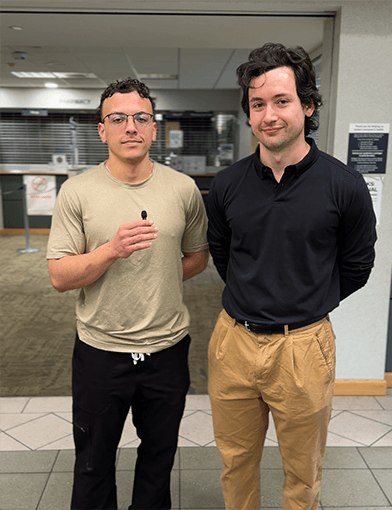
| Dean VanNasdale, OD, PhD, MS, FAAO, (l) and Jason Christman, OD. | |
“Reinforcing messaging, even across health care disciplines, is going to help patients better appreciate the importance of their vision health and how they can be proactive partners in the process. If organizations, agencies, and providers work in a more coordinated approach, patients will benefit, we will have better patient adherence, and we will reduce avoidable vision loss,” said Dr. VanNasdale and Dr. Christman.
“Patients often think of questions or have concerns when they leave the exam room, or may not feel comfortable asking in the moment,” added Dr. Stewart. “Ongoing communication and support will reinforce the patient-doctor relationship, build trust and allow the patient to ask good questions going forward—all of which help with adherence.”
link
More Stories
April is Women’s Eye Health and Safety Month at Prevent Blindness, Aimed at Providing Women with Resources Needed to Help Save Vision
Virtual reality exam checks eye health and screens for early signs of Alzheimer’s
Daily Dose – Clearer Vision, Safer Lives: A Student-Led Effort Expands Access to Eye Care