




WEST PALM BEACH, Fla. (CBS12) — October is Bone and Joint Health Awareness Month, a reminder that bone strength changes as we age — and that early prevention can make a major difference in mobility and quality of life.
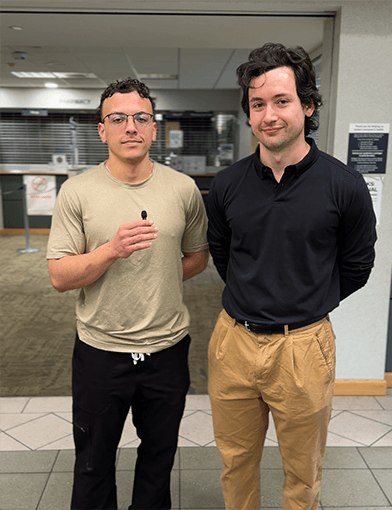
CBS12 News sat down with Dr. Andrew Noble, orthopedic surgeon at Jupiter Medical Center, to break down what he sees most in his practice and what patients can do right now to protect their long-term bone health.
CBS12 News sat down with Dr. Andrew Noble, orthopedic surgeon at Jupiter Medical Center, to break down what he sees most in his practice and what patients can do right now to protect their long-term bone health. (WPEC)
Dr. Noble says bone density naturally decreases over time, which increases the risk of fractures in areas like the hip, wrist, and spine. He treats a wide range of conditions — from arthritis to fragility fractures to sports injuries — many of which tie back to weakened bone structure or age-related wear and tear.
When surgery is required, Noble says technology has changed dramatically. Jupiter Medical Center uses robotic-assisted systems such as Mako and CORI, which help surgeons create highly detailed, patient-specific plans before entering the operating room. These tools allow for greater precision in implant placement and alignment — and early evidence shows that can support a smoother recovery in many cases.
However, Noble emphasizes that the decision to move from conservative care to surgery is not automatic. Patients should consider surgery only when pain, instability, or stiffness disrupt daily life — and only after trying nonsurgical options such as therapy, bracing, injections, or medication. It’s a shared decision between the patient and care team, guided by symptoms, imaging, lifestyle goals, and overall health.
See also: Suspect in Port St. Lucie double homicide, 2-hour hostage standoff dies
For anyone who wants to strengthen their bones now and reduce future risks, Noble recommends focusing on three essentials:
- Screening: Ask your provider if you need a bone density (DXA) scan
- Movement: Prioritize weight-bearing and resistance exercises and work on balance to reduce fall risk.
- Fuel: Maintain good nutrition — calcium, vitamin D, protein — and avoid smoking or excessive alcohol, which can weaken bones over time.
His biggest reminder: don’t ignore pain or swelling. If something feels off and doesn’t improve, get evaluated early so problems don’t escalate.
Watch the full interview with Dr. Noble above for more insight into prevention, treatment options, and the latest in surgical innovation.
link
More Stories
The Best Time To Drink Bone Broth for Collagen, Joint Health, and More
Why It Happens, How to Treat It
Why UK businesses lose productivity by misunderstanding bone and joint health – London Business News