

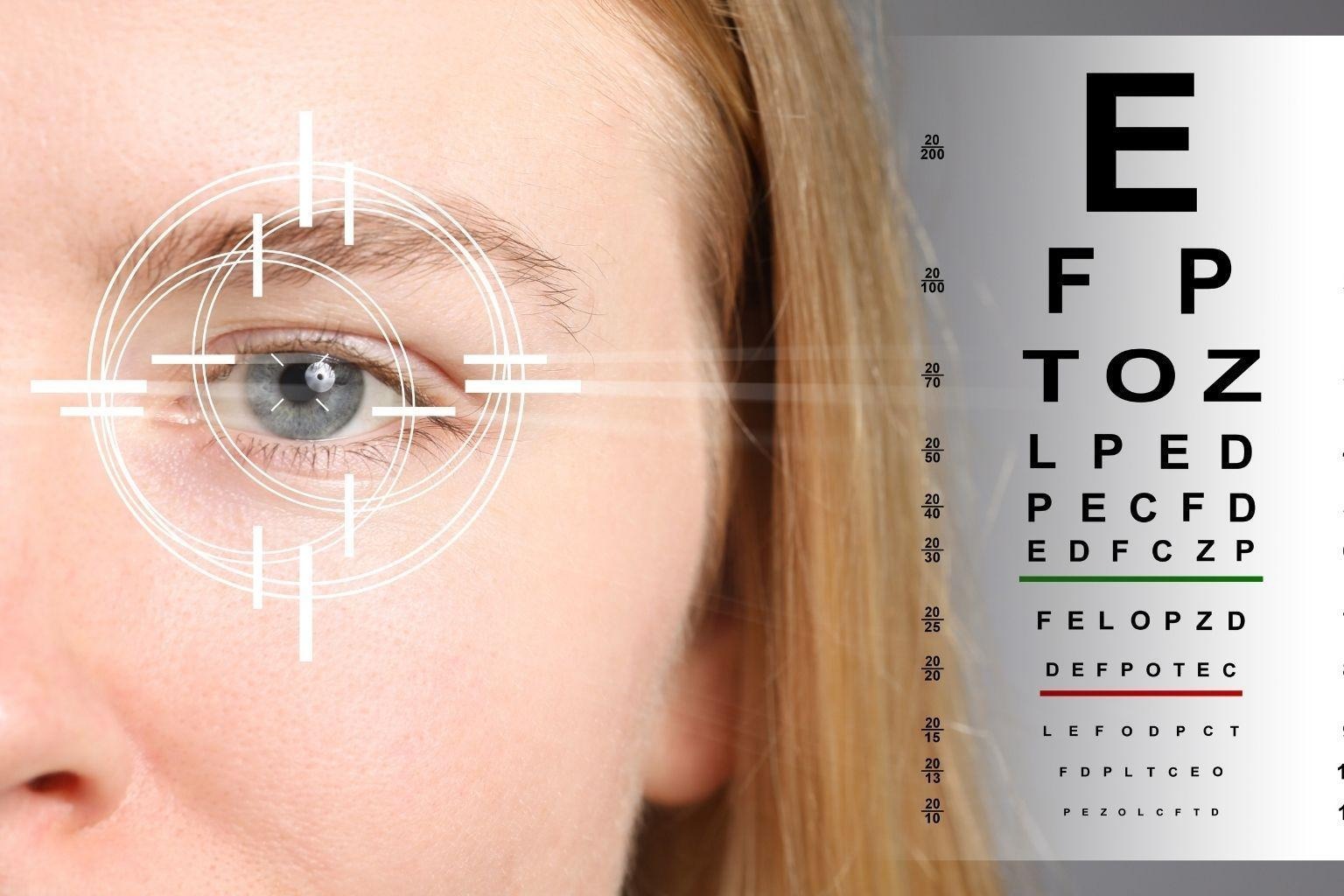



As we age, our eyes go through natural changes — this may include dryness and discomfort, as well as greater risk of chronic conditions like cataracts or macular degeneration.
“July’s Dry Eye Awareness Month is an important reminder to care for your vision today and year-round,” said Alex Uhm, vice president and general manager of Medicare at Blue Shield of California. “For older adults, taking care of your eyes is an important part of staying healthy, independent and engaged in the things you love. At Blue Shield, we’re here to support our members every step of the way.”
Here are five important ways that older adults can ease dry eye symptoms and protect their vision health.
1. Recognize the signs of dry eye
Dry eye is one of the most common age-related eye conditions, yet many people don’t realize they have it. Tear production often slows due to aging and hormonal changes, while medications, eye drops containing preservatives, and underlying health conditions can make symptoms worse. (Eyedrops in multidose bottles often contain preservatives to prevent bacterial growth.)

Alex Uhm, Blue Shield of California
The result: eyes feel irritated, gritty, tired or overly sensitive — especially after screen use or time outdoors. Left untreated, dry eye can cause daily discomfort and diminish your overall quality of life.
2. Make small changes that help
If you experience dry eye symptoms, the best first step is to get an eye exam from an ophthalmologist or optometrist. This is especially important if you have other health issues that might contribute to dry eye, such as Sjogren’s syndrome or Graves’ disease. Based on your diagnosis, your doctor can tailor a treatment plan just for you, which may include medications or eye drops. In addition, simple environmental changes can make a big difference: use a humidifier at home, and avoid direct airflow from fans, air conditioners and heaters, which can dry out your eyes.
For more persistent or advanced dry eye, your doctor may recommend moisture chamber goggles to help your eyes stay moist. In addition, better eyelid hygiene can treat inflammation or reduce gland problems that contribute to dryness
3. Shield your eyes from the sun
Long-term exposure to ultraviolet (UV) rays can increase the risk of cataracts, eye tissue growths and conditions like macular degeneration. Protecting your eyes from sunlight is just as important as using sunscreen to protect your skin. Choose sunglasses that block 100% of ultraviolet radiation (UVA and UVB) rays and consider wearing a wide-brimmed hat for added shade, even on cloudy days.
4. Eat for eye health
A healthy diet plays a key role in maintaining both eye health and overall health. Diet influences the development and management of chronic systemic conditions such as diabetes, high blood pressure and atherosclerosis — all of which can damage blood vessels in the eyes and lead to complications like diabetic retinopathy and retinal vascular occlusions.
To support your eye health, eat foods rich in vitamins C and E, zinc, lutein and zeaxanthin, such as leafy greens, citrus fruits, nuts and fish high in omega-3 fatty acids. These nutrients help maintain a healthy retina and natural lens and can slow age-related vision decline. Source: Diabetes, Hypertension, and Cardiovascular Disease: Clinical Insights and Vascular Mechanisms – PMC
5. Don’t skip your annual exam
Routine eye exams are essential for early detection of serious conditions like glaucoma or macular degeneration. Older adults over the age of 65 should schedule a comprehensive eye exam, including a dilated retinal exam, at least once a year. If you have risk factors or existing eye conditions, your doctor may recommend more frequent visits to track changes and adjust your treatment plan accordingly.
Eye health tips at a glance
- Wear sunglasses with 100% UVA/UVB protection
- Use a humidifier and avoid direct airflow from fans and air conditioners
- Keep eyelids clean and follow your doctor’s guidance on lid hygiene
- Eat foods rich in vitamins C and E, zinc and omega-3s
- Use preservative-free artificial tears as needed
- Follow the 20-20-20 rule — every 20 minutes, take a 20-second break to look at something 20 feet away
- Take breaks from screens to help maintain a healthy blink rate
- Don’t skip your annual exams and talk to your doctor about personalized care
“Vision changes are a natural part of aging — but they don’t have to limit your comfort or independence. With simple, consistent habits, older adults can protect their eyes and support long-term vision health,” said Uhm.
If you’re a Blue Shield Medicare member, explore your vision care benefits at
Y0118_25_051A_COR_C 07242025
H2819_25_051A_COR_C 07242025
link
More Stories
April is Women’s Eye Health and Safety Month at Prevent Blindness, Aimed at Providing Women with Resources Needed to Help Save Vision
Virtual reality exam checks eye health and screens for early signs of Alzheimer’s
Daily Dose – Clearer Vision, Safer Lives: A Student-Led Effort Expands Access to Eye Care